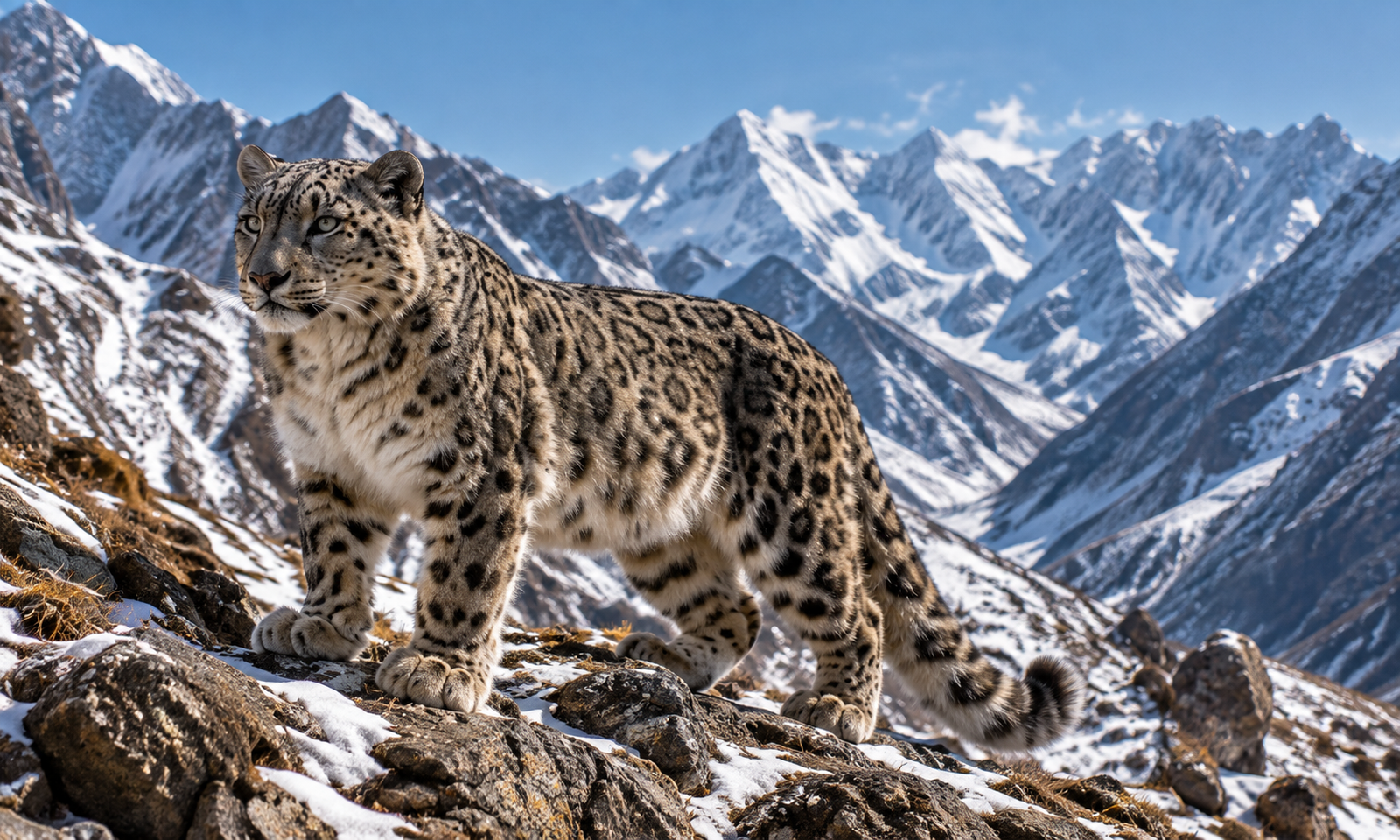
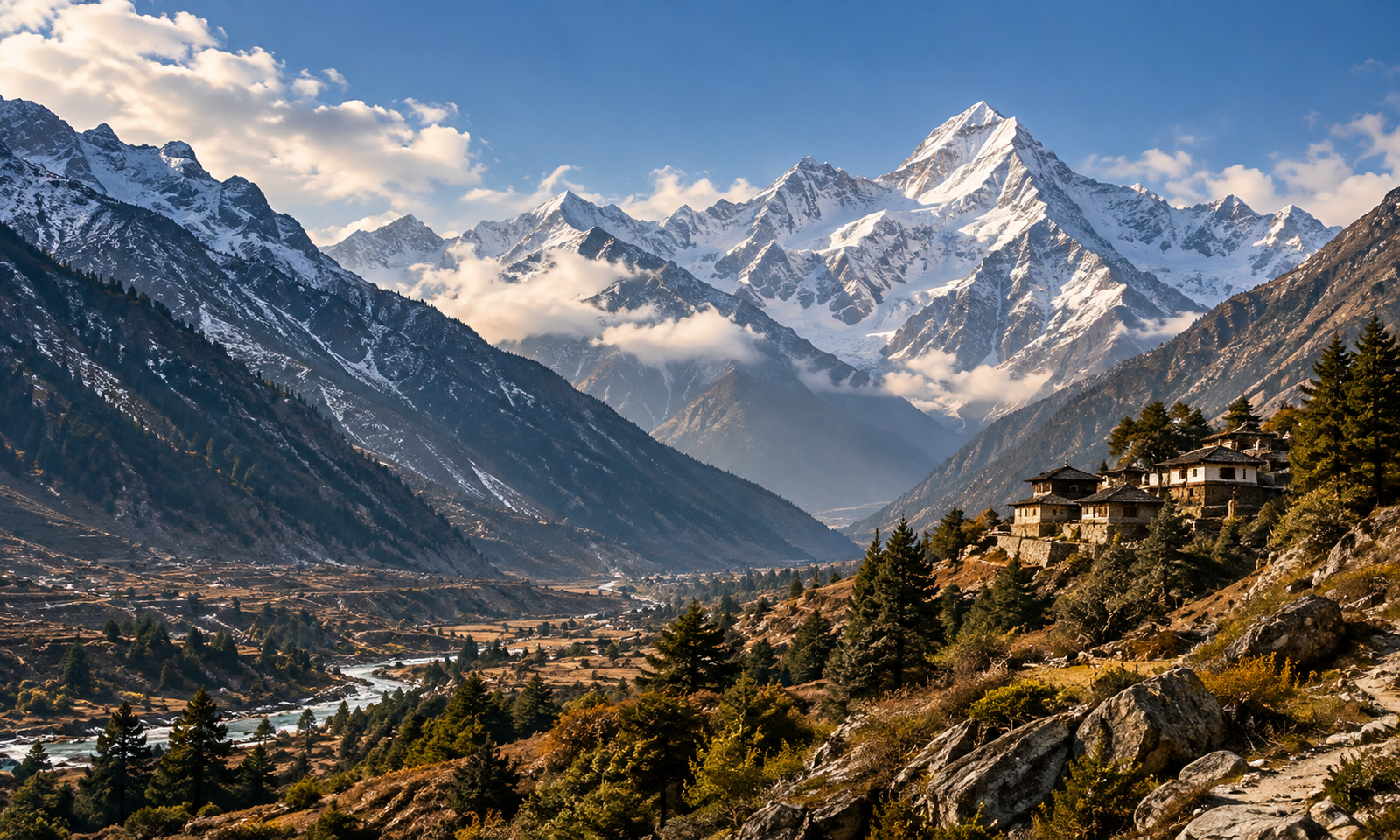
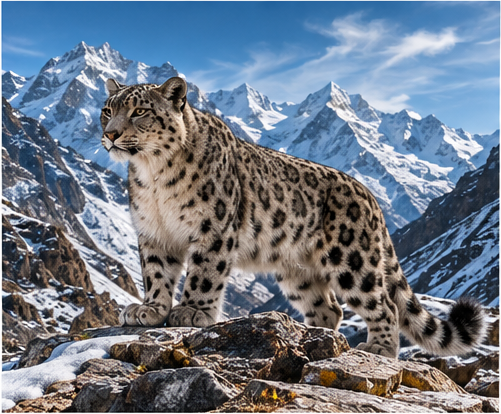
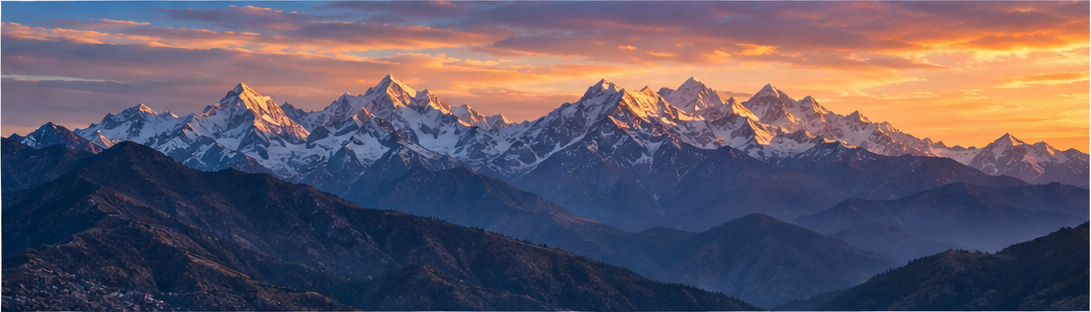
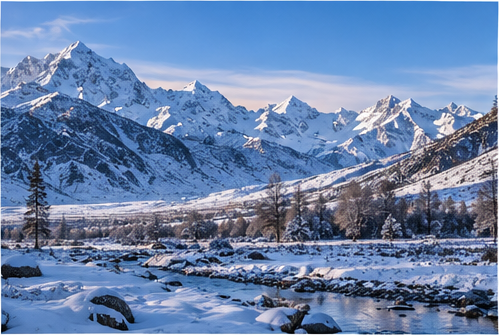
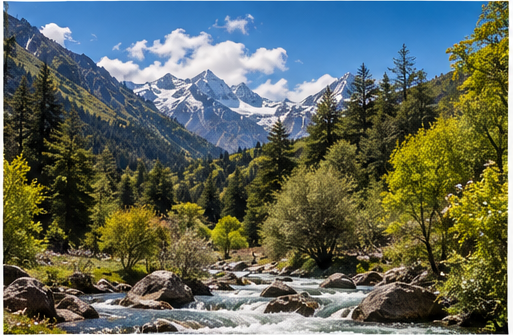
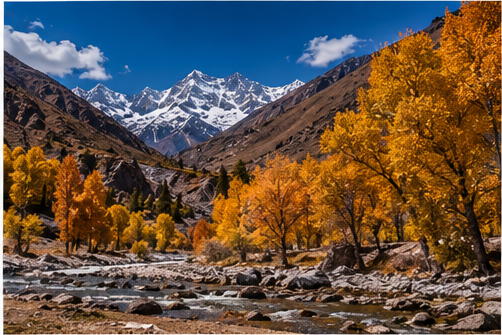
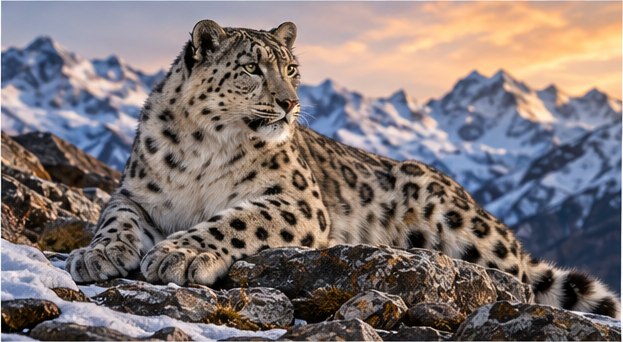
Himalayan wildlife journeys track the snow leopard — often called the “Ghost of the Mountains” — across Hemis National Park in Ladakh, India’s largest national park and home to the country’s highest snow leopard population, and Kibber Wildlife Sanctuary in Himachal Pradesh’s Spiti Valley. Sightings are done on foot at altitudes above 10,000 feet, not by jeep, with January through March offering the strongest odds as leopards move into valleys in search of prey. Plan for 7–10 days minimum; extra time meaningfully improves the odds of a sighting.
A Different Kind of Wildlife Journey Entirely
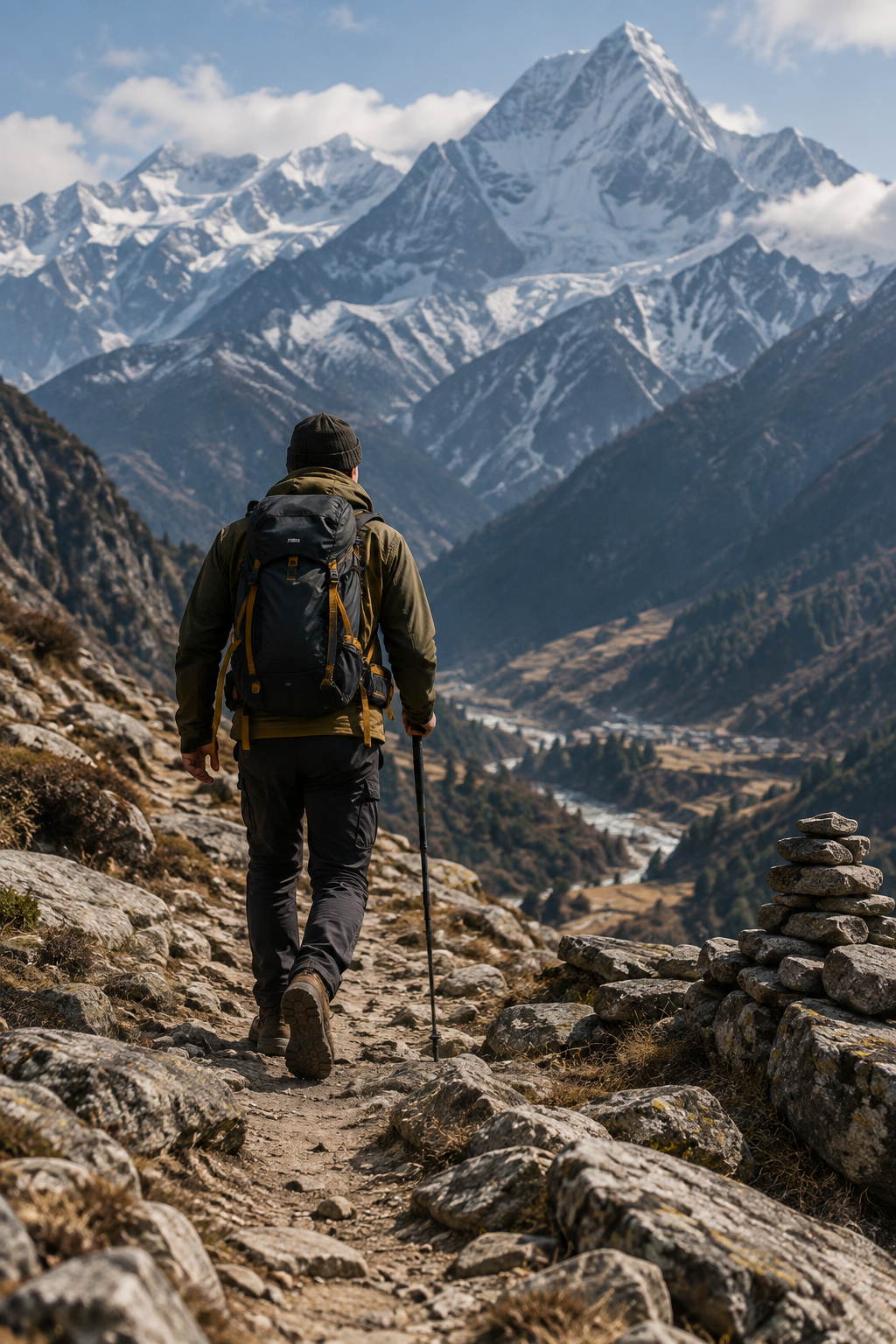
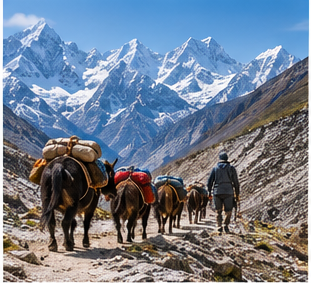
Every other reserve on this circuit runs on jeeps and forest tracks. Snow leopard tracking runs on neither. Hemis’s terrain is rugged enough that hiking is the only way in, and sightings depend on expert local trackers reading terrain and prey movement rather than following a known territory.
This is closer to a mountain expedition than a safari, and worth understanding as such before booking.
Where to Go: Ladakh vs. Spiti
Only two Indian states currently operate snow leopard tourism.
Ladakh holds by far the highest population, with Hemis National Park — and the village of Ulley just outside its formal boundary — offering the most established tracking infrastructure and the most experienced spotting teams.
Spiti Valley’s Kibber Wildlife Sanctuary in Himachal Pradesh is the other genuine option, smaller in scale but well-regarded, particularly for travellers already exploring Himachal.
“I tell every guest the same thing before a snow leopard trip,” says Lalit, founder of Imperial Voyages. “This isn’t Ranthambore. You’re not going to see one in an afternoon. But the ones who go in understanding that patience is the whole point tend to come back changed by it in a way a tiger sighting doesn’t quite do.”
— Lalit Mathur Founder, Imperial Voyages
WHY CHOOSE HIMALAYAN JOURNEYS?
Wild Landscapes. Rare Wildlife.
Snow Leopard
Country
Track one of the world’s rarest big cats in its natural habitat.
High-Altitude
Wildlife
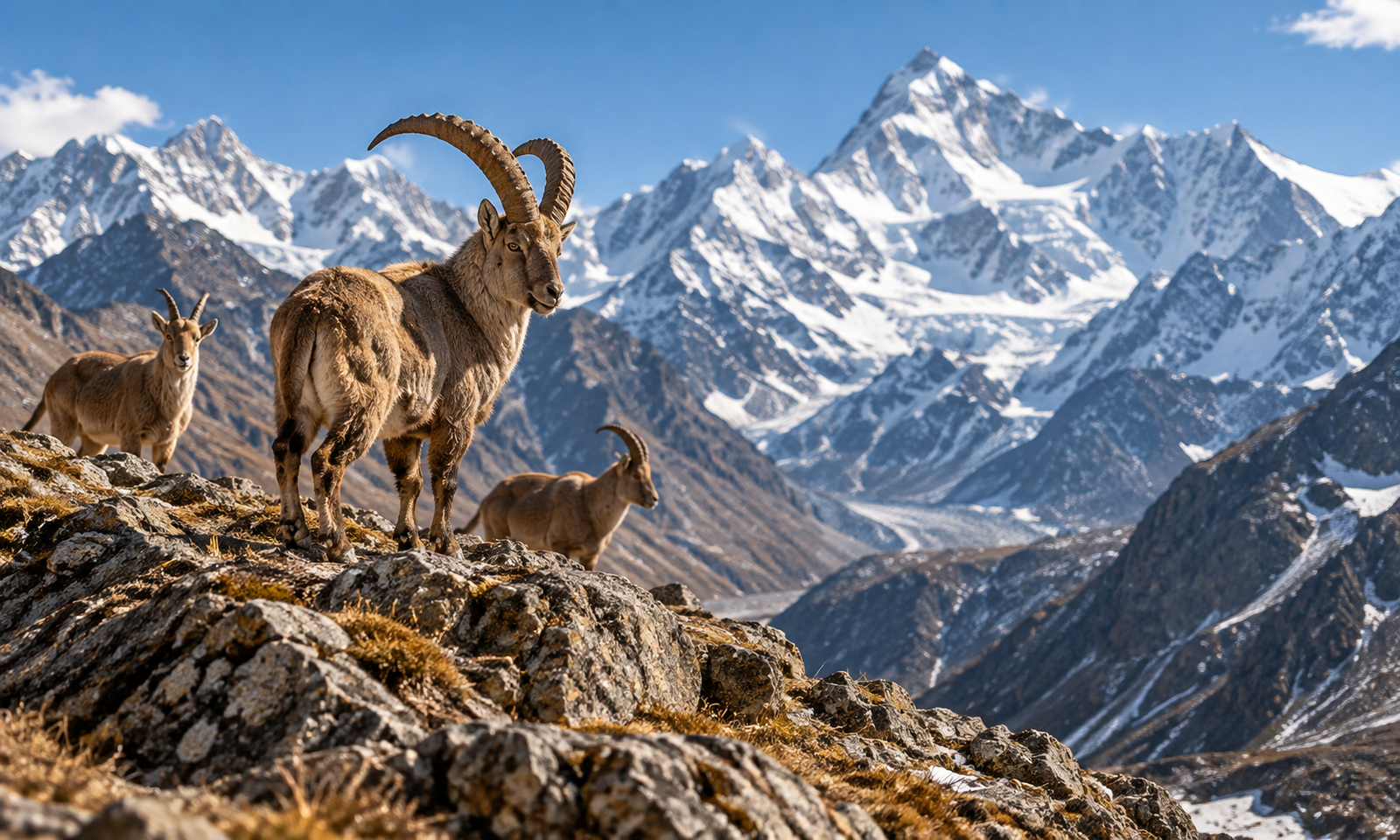
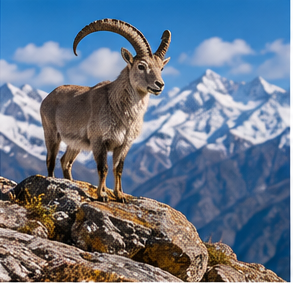
Blue sheep, ibex, musk deer, Tibetan wolf and more.
Epic Mountain
Landscapes
From stark cold deserts to dramatic alpine wilderness.
Living Himalayan
Culture
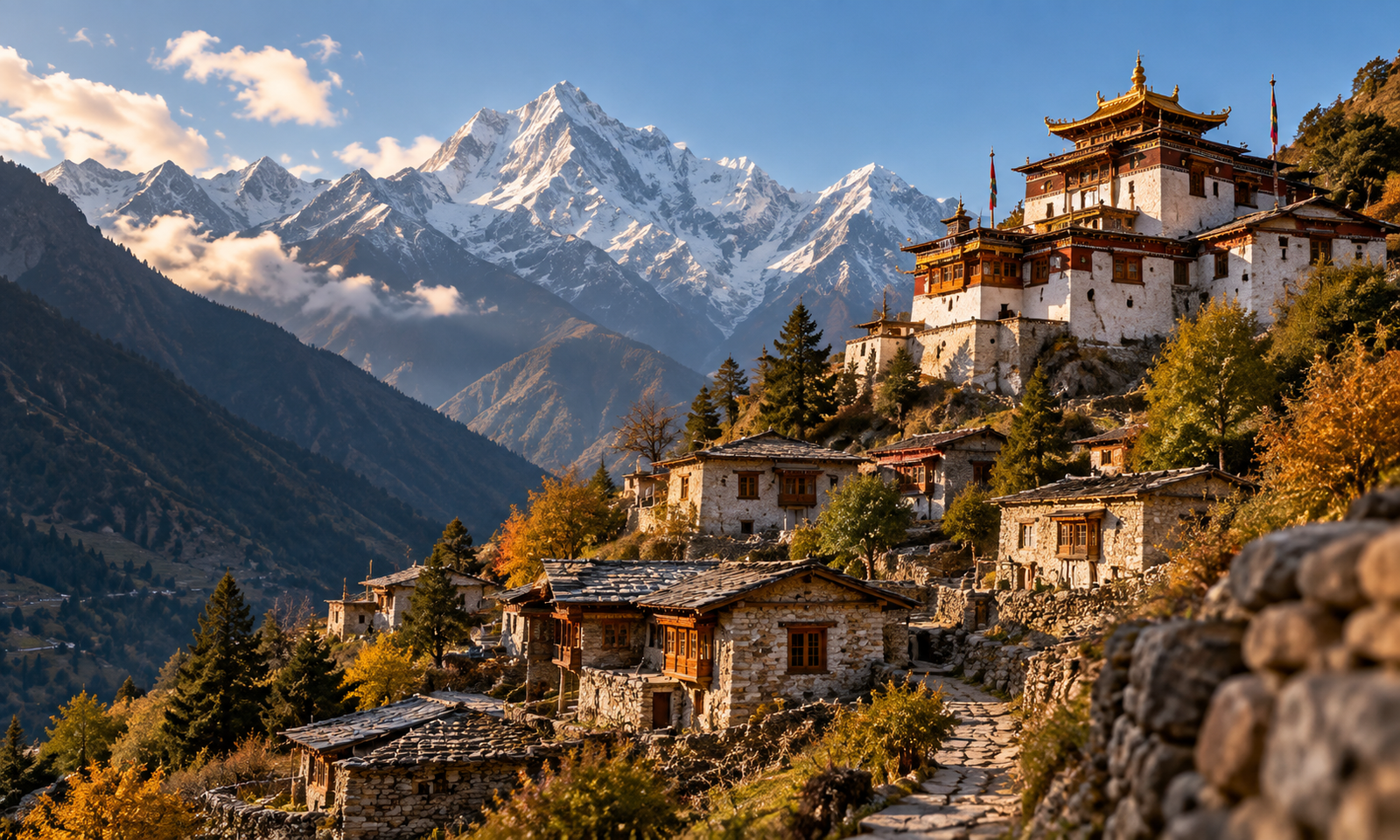
Monasteries, remote villages and ancient traditions.
Extraordinary
Birdlife
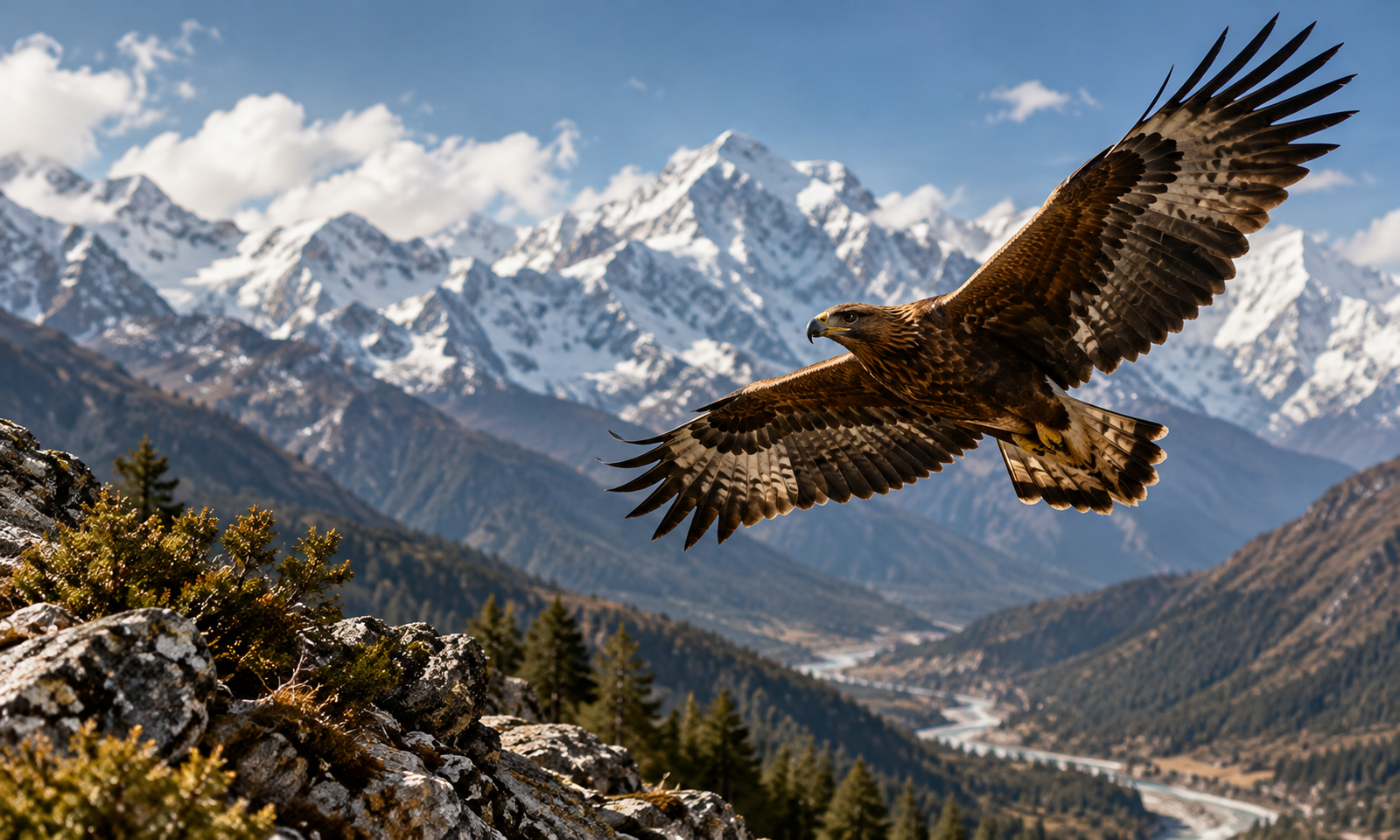
Golden eagles, monal, tragopan and more rare species.
Luxury Mountain
Stays
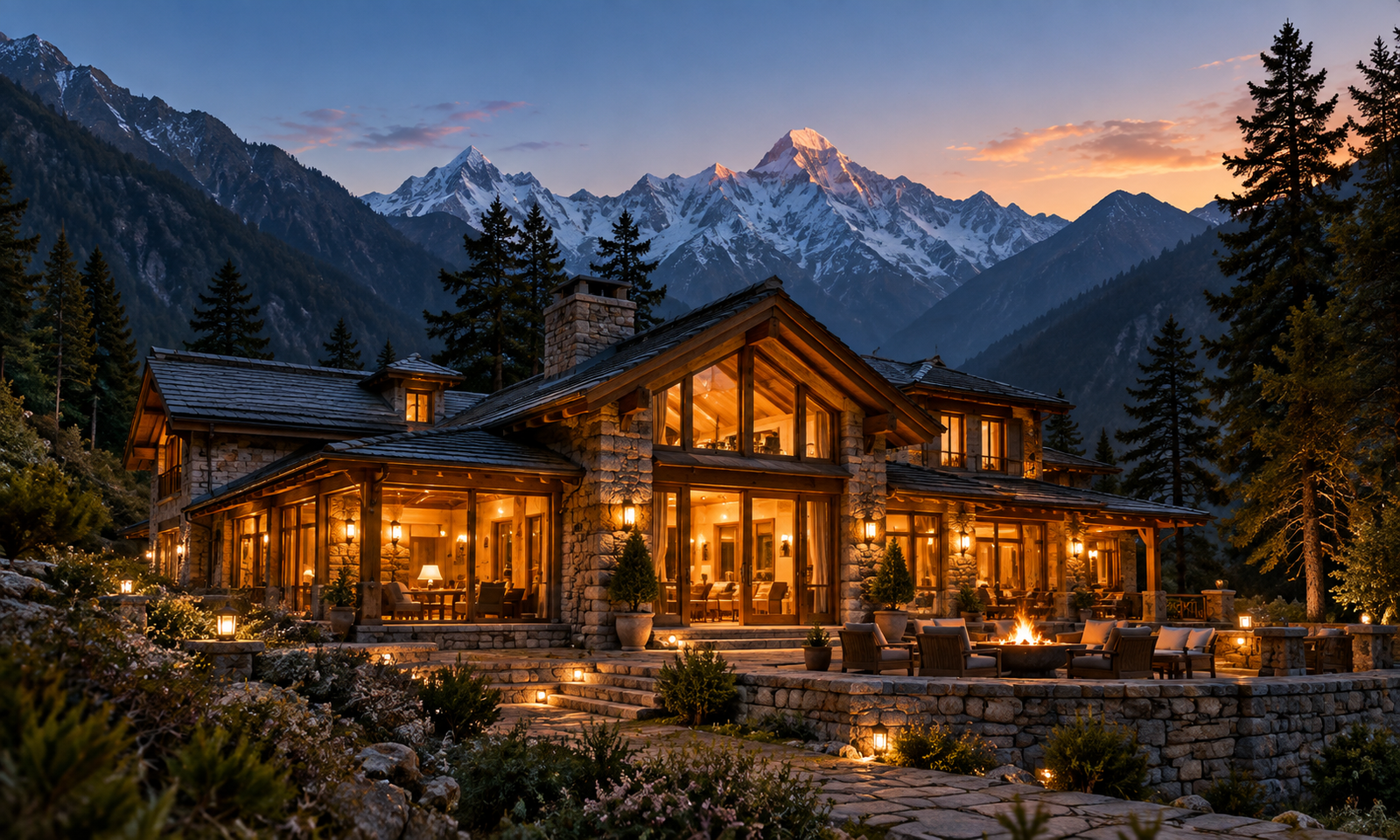
Comfortable, well-located stays in remote, stunning locations.
THREE HIMALAYAN WILDLIFE WORLDS
One Mountain Range.
Completely Different Experiences.
This is where we would make the page particularly strong.
Rather than presenting the Himalayas as one destination, divide them into three distinct wildlife journeys.
01
THE SNOW LEOPARD
HIGHLANDS
Ladakh • Hemis National Park
For travellers who want to go looking for the ghost of the mountains.
Hemis National Park is one of India’s most important high-altitude wildlife landscapes and is particularly associated with snow leopard tracking.
The park’s rugged terrain supports snow leopard, bharal, Ladakhi urial, Himalayan marmot, Tibetan wolf and other high-altitude species.
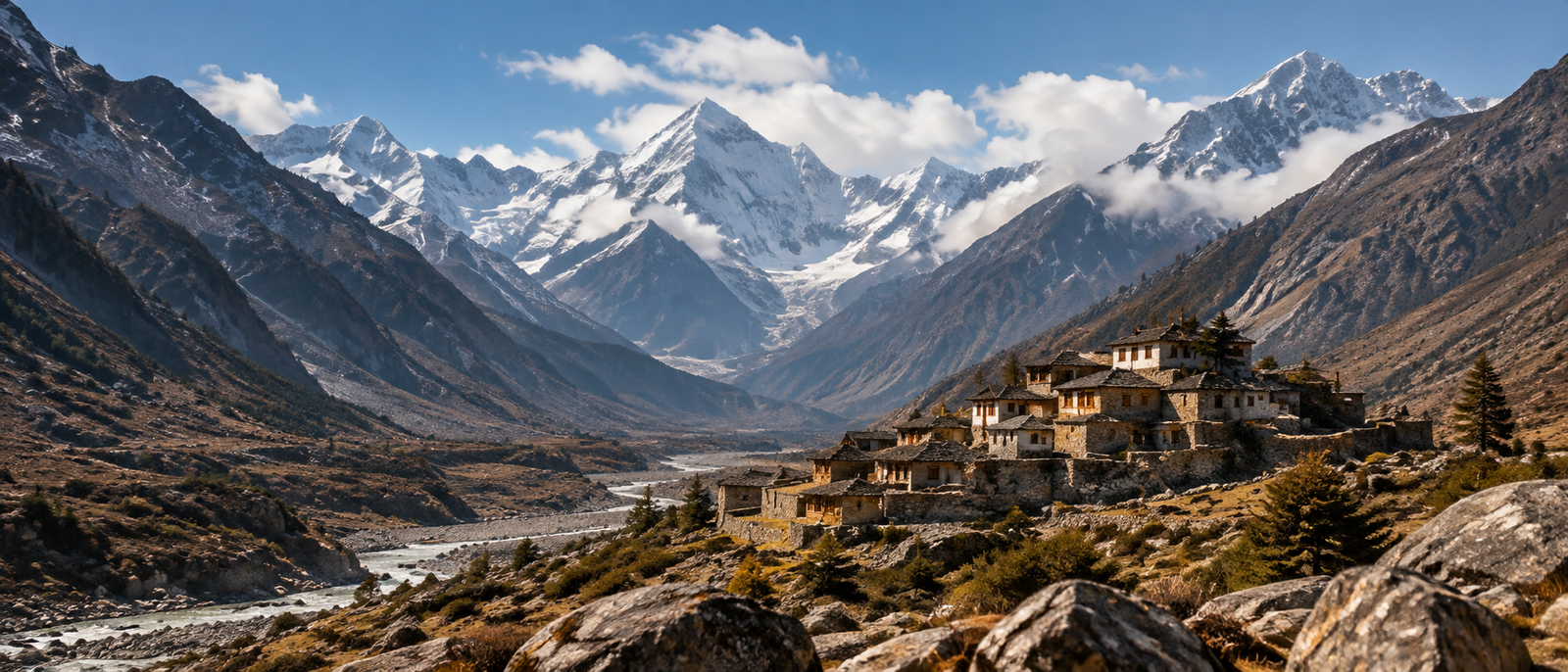
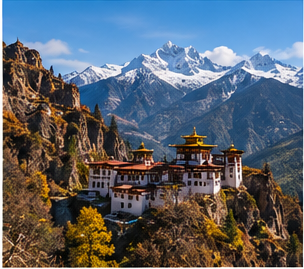
But Hemis is not only about wildlife. Monasteries, high passes, remote valleys and Ladakh’s distinctive Buddhist culture become part of the journey.
Best for: Snow leopard enthusiasts • photographers • adventure travellers • repeat India visitors
Signature experience:
Snow Leopard Tracking in the Hemis Landscape
02
THE COLD DESERT
Spiti Valley • Pin Valley • Kibber
For travellers prepared to go further.
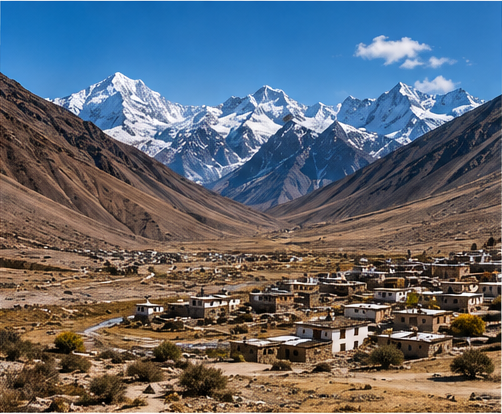
Spiti is a high-altitude cold desert where wildlife survives in an environment of extreme temperatures, sparse vegetation and dramatic mountains.
Pin Valley National Park is a refuge for the snow leopard and supports blue sheep, ibex, Tibetan wolf, red fox, Himalayan marmot and a range of high-altitude birds.
The experience here is fundamentally different from a conventional safari. You travel between remote villages. You stay at high altitude. You watch the ridgelines. And you accept that the mountain decides what you see.
Best for:Serious wildlife travellers • photographers • adventure seekers • second-time India visitors
Signature experience:
Snow Leopard Tracking Around Kibber & Pin Valley
03
THE FORESTED
HIMALAYAS
Great Himalayan National Park • Tirthan Valley
For travellers who want biodiversity rather than a single species.
The Great Himalayan National Park is a UNESCO World Heritage Site spanning approximately 1,171 sq km, with ecosystems ranging from temperate forests to alpine landscapes.
Its wildlife includes snow leopard, Himalayan brown bear, Himalayan tahr, bharal, musk deer, serow, western tragopan and Himalayan monal.
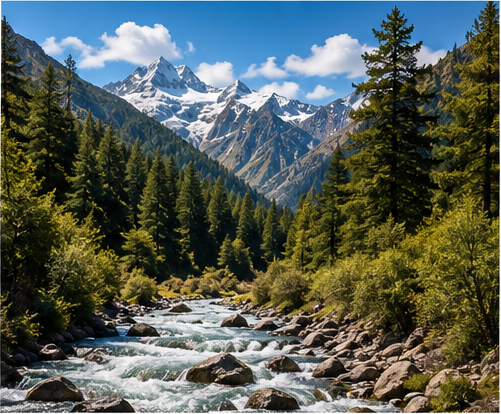
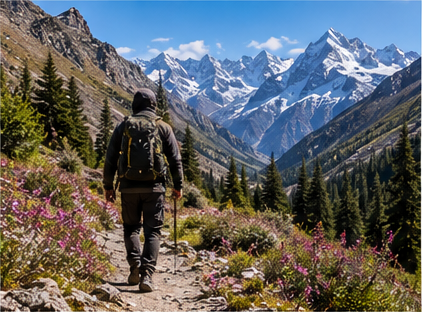
Unlike Ladakh and Spiti, this is a journey through forests, rivers, meadows and mountain villages. The experience becomes genuinely walking-led.
Best for: Birdwatchers • trekkers • nature lovers • families who enjoy wildlife
Signature experience:
Wildlife Trekking Through Great Himalayan National Park
WHERE YOU STAY MATTERS
The Lodge Is Part of the Journey
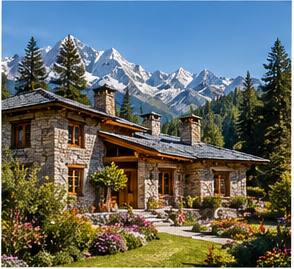
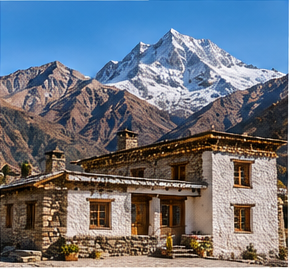
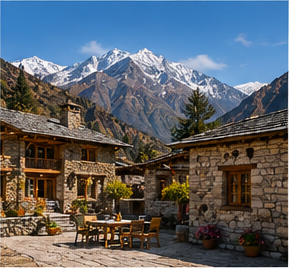
A Himalayan wildlife journey cannot be designed like a Rajasthan luxury circuit. The best accommodation is often smaller, simpler and more connected to its surroundings.
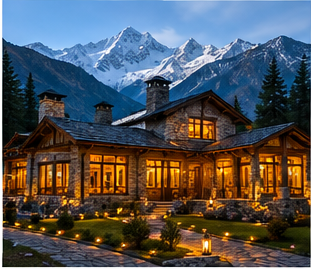
Luxury Mountain Lodges
For travellers who want comfort without disconnecting from the landscape.
Boutique Himalayan
Retreats
For couples and slower travellers who want local character.
High-Altitude
Guesthouses
Particularly relevant in Spiti and Ladakh where location and access matter more than conventional luxury.
Village Homestays
For travellers who want genuine cultural immersion.
Our principle: luxury doesn’t always mean five-star infrastructure. Sometimes luxury means being in exactly the right valley with the right local guide and nowhere else in the world around you.
A CURATED HIMALAYAN WILDLIFE JOURNEY
10–14 Days
For an immersive first experience, we would avoid trying to cover the entire Himalayas. Instead, choose one wildlife ecosystem and give it enough time.
Day 1–2
Arrive & Acclimatise
Arrival and gradual acclimatisation. No aggressive sightseeing. The mountains determine the pace.
Day 3–5
Enter the Wildlife Landscape
Begin guided exploration. Understand the terrain. Learn how trackers read tracks, prey movement and habitat.
Day 6–8
Wildlife Tracking
Multiple opportunities to explore the landscape. For snow leopard journeys, this means patiently scanning ridges and valleys. For GHNP, it means walking through different forest and altitude zones.
Day 9–10
Culture & Wilderness
Bring the landscape and people together.
Monasteries. Villages. Local food. Stories.
Day 11–14
Deeper Exploration
or Return
Depending on the route, either extend additional time in the wildlife landscape or connect onward to another Himalayan experience.
Our approach:
We design the journey around the landscape, season, altitude and your personal comfort. The Himalayas are not a destination you tick off — they are a world you enter with respect, curiosity and enough time to listen.
WHEN SHOULD YOU GO?
There Is No Single “Best Time”
for Himalayan Wildlife
This is important for AEO and traveller expectations.
Different wildlife experiences require different seasons.
It is closer to a mountain expedition than a vehicle safari. Walking at high altitude, cold conditions and patient observation all form part of the experience.
Depending on the region and season, possible sightings include bharal, ibex, Himalayan tahr, musk deer, Tibetan wolf, Himalayan monal, western tragopan and golden eagle.
Ready to Journey Higher?
Step into the wild heart of the Himalayas. We’ll design a private wildlife journey as extraordinary as the mountains themselves.
For an immersive first experience, we would avoid trying to cover the entire Himalayas.
Instead, choose one wildlife ecosystem and give it enough time.
Day 1–2
Arrive & Acclimatise
Arrival and gradual cclimatisation. No aggressive sightseeing. The mountains determine the pace.
Day 3–5
Enter the Wildlife Landscape
Begin guided exploration. Understand the terrain. Learn how trackers read tracks, prey movement and habitat.
Day 6–8
Wildlife Tracking
Multiple opportunities to explore the landscape. For snow leopard journeys, this means patiently scanning ridges and valleys. For GHNP, it means walking through different forest and altitude zones.
Day 9–10
Culture & Wilderness
Bring the landscape and people together. Monasteries. Villages. Local food. Stories.
Day 11–14
Deeper Exploration
or Return
Depending on the route, either extend additional time in the wildlife landscape or connect onward to another Himalayan experience.
Our approach: We design the journey around the landscape, season, altitude and your personal comfort. The Himalayas are not a destination you tick off — they are a world you enter with respect, curiosity and enough time to listen.
WHEN SHOULD YOU GO?
There Is No Single “Best Time”
for Himalayan Wildlife
This is important for AEO and traveller expectations.
Different wildlife experiences require different seasons.