Skip to content

Kanha National
Park Safari

The Forest That Feels Like Wilderness.

Kanha National Park spans roughly 940 square kilometres of core forest in Madhya Pradesh, plus over 1,000 square kilometres of buffer zone, home to approximately 500 tigers. What sets Kanha apart from India’s other major reserves is the barasingha, or swamp deer — the only place Kanha brought them back from the edge of extinction through decades of dedicated conservation, alongside sal and bamboo forests believed to have inspired Rudyard Kipling’s Jungle Book.

More Than a
Tiger Reserve

Most safari itineraries treat Kanha as simply another tiger park, which undersells it.

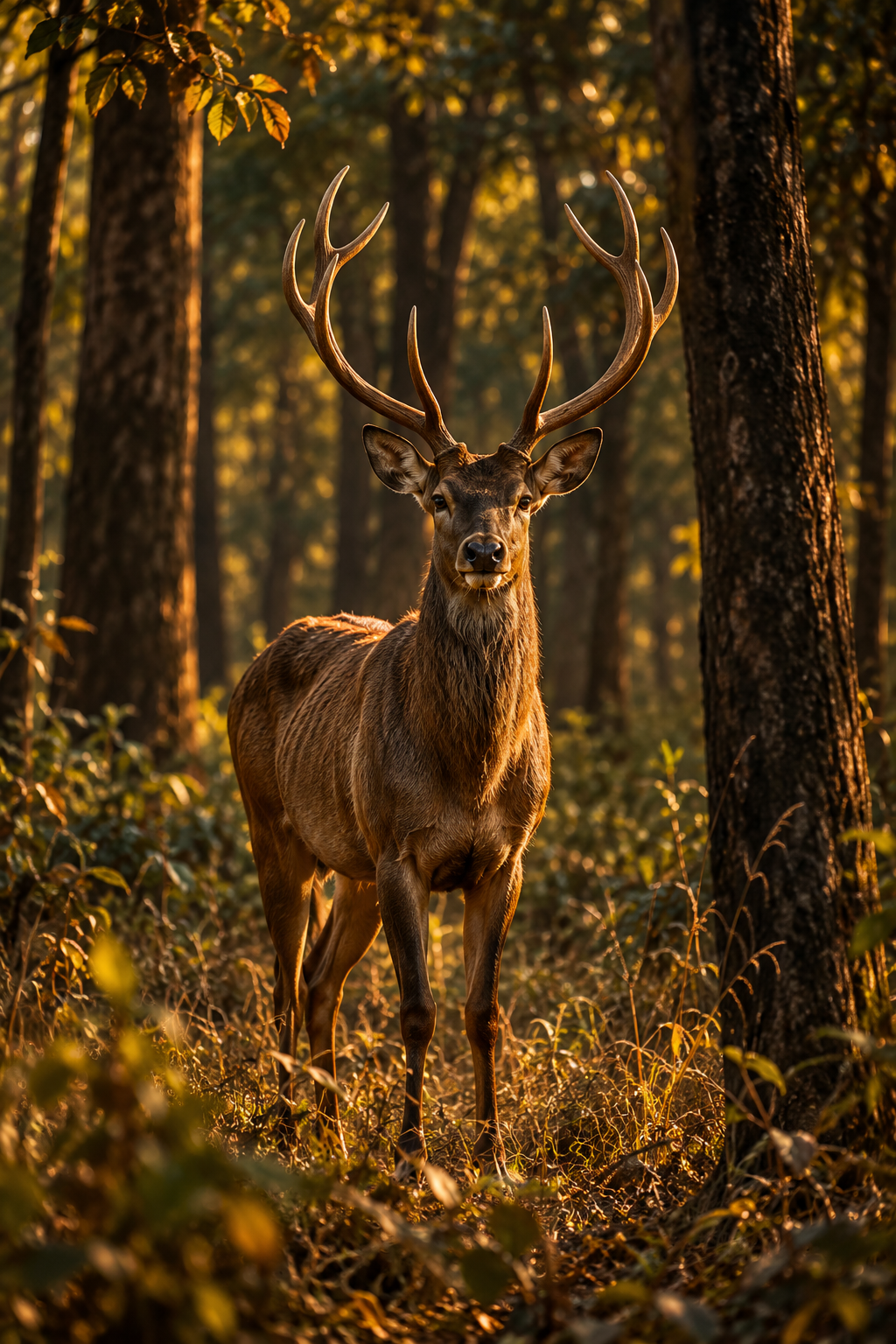
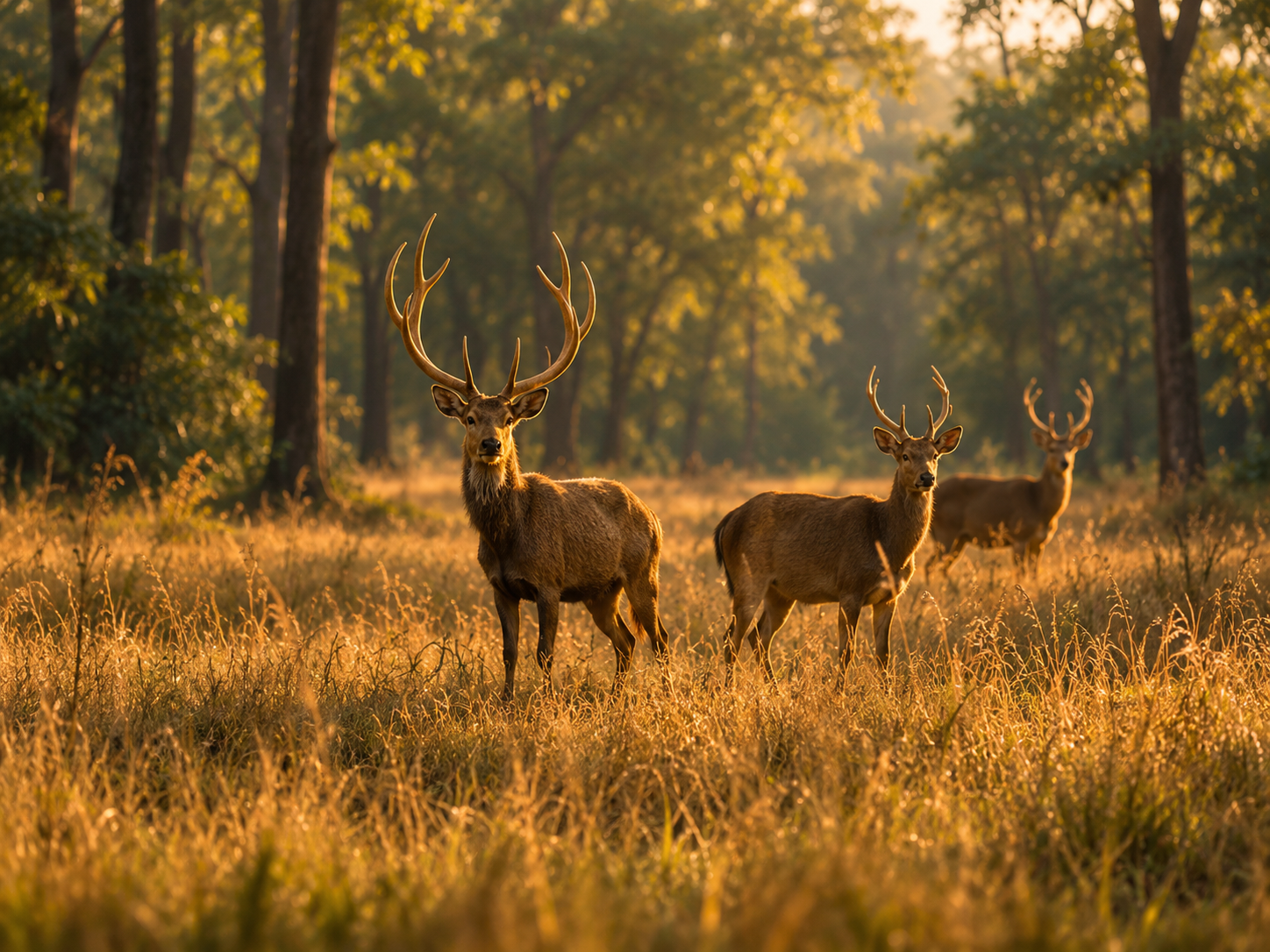
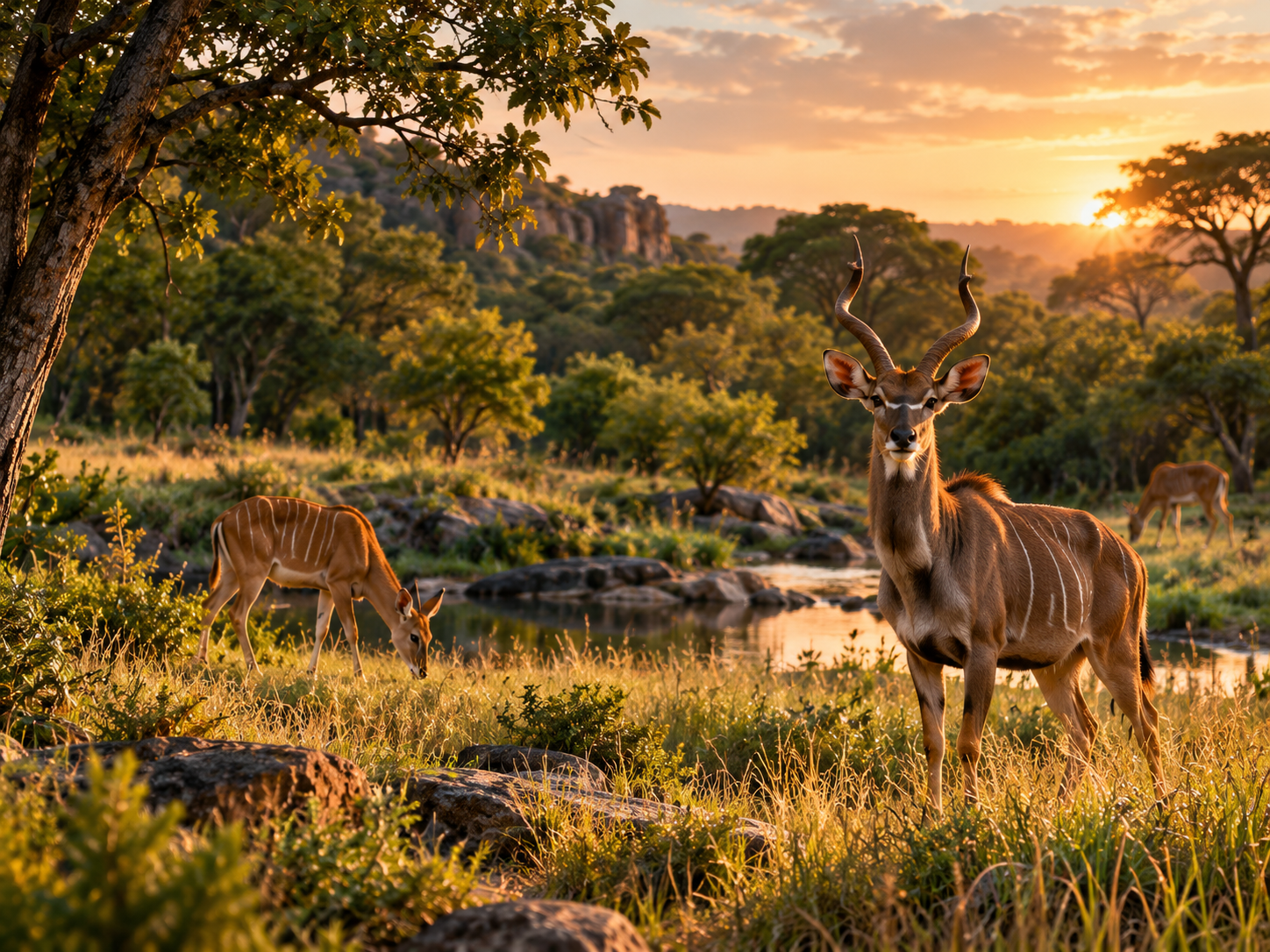
The barasingha population here is a genuine conservation success story — hunted to near-extinction by the 1960s, and rebuilt specifically within Kanha’s protected grasslands to the point where sightings are now common.

Combined with gaur (Indian bison), wild dogs and a healthy tiger population, Kanha offers more overall wildlife density and variety than almost anywhere else in central India.

The Kipling
Connection

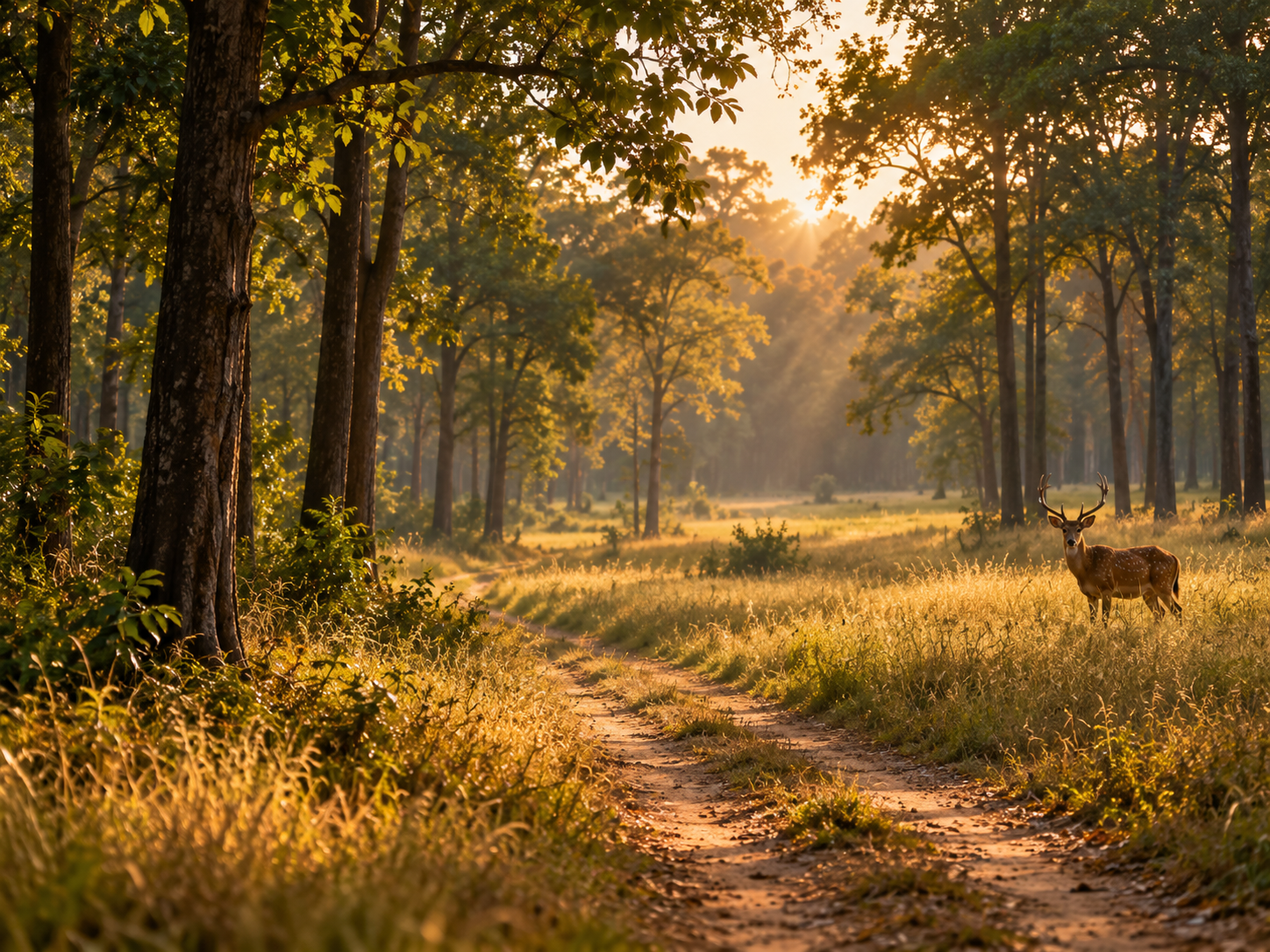
Kanha’s mixed sal and bamboo forest is widely believed to have shaped the landscape that inspired Rudyard Kipling’s Jungle Book, and the park leans into this without overselling it — the forest genuinely does feel like something out of the book, dense canopy opening into wide grassy meadows called maidans, where sightings often happen in open ground rather than from dense brush.

“Kanha is the park I recommend when someone tells me they want more than just tigers.
The barasingha story alone is worth the trip — that’s a species that nearly disappeared, brought back in exactly this one forest.”

— Lalit Mishra
Founder, Imperial Voyages

WHY CHOOSE KANHA?

One of India’s Most Complete Wilderness Experiences.

Bengal Tigers

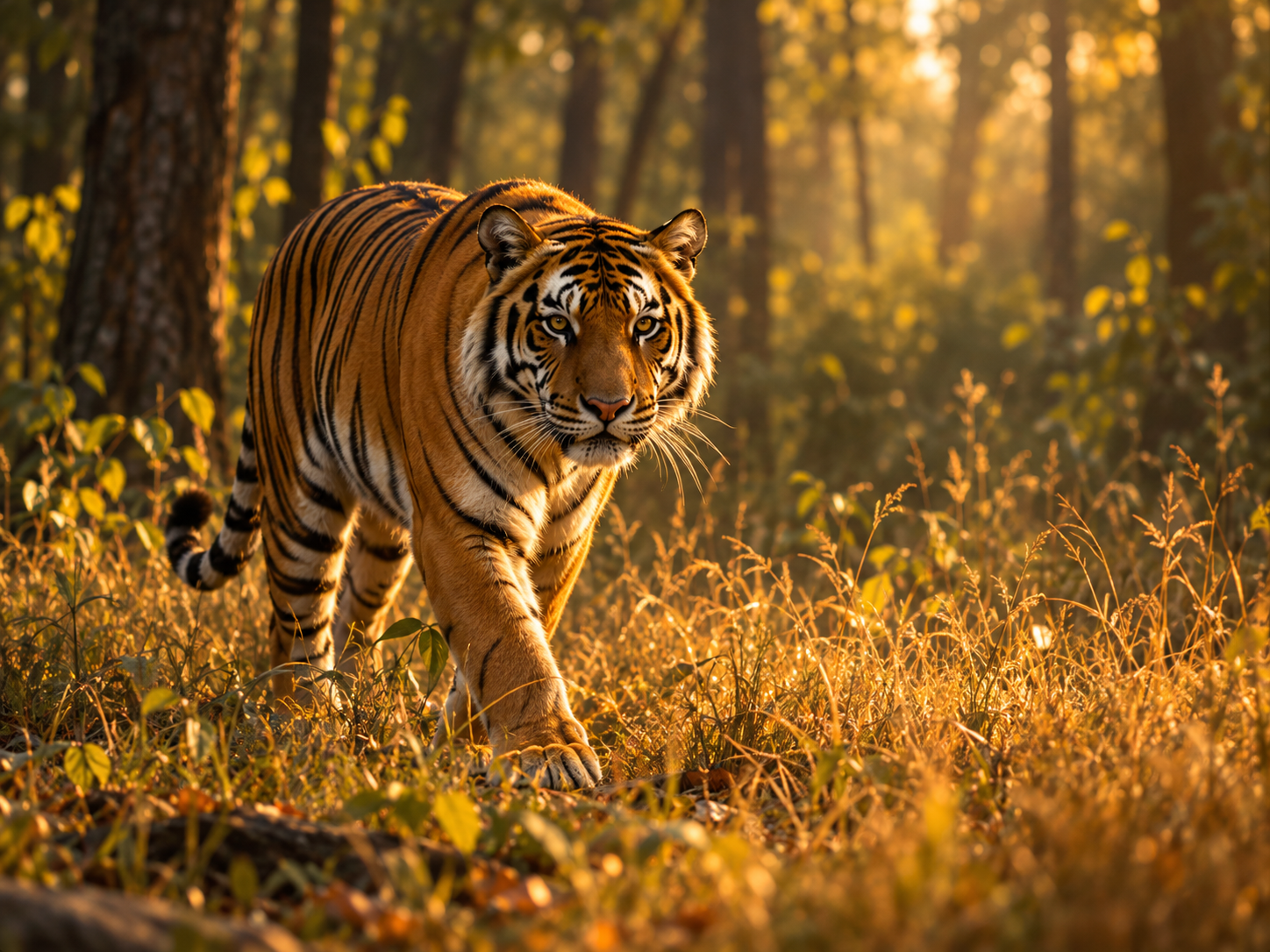
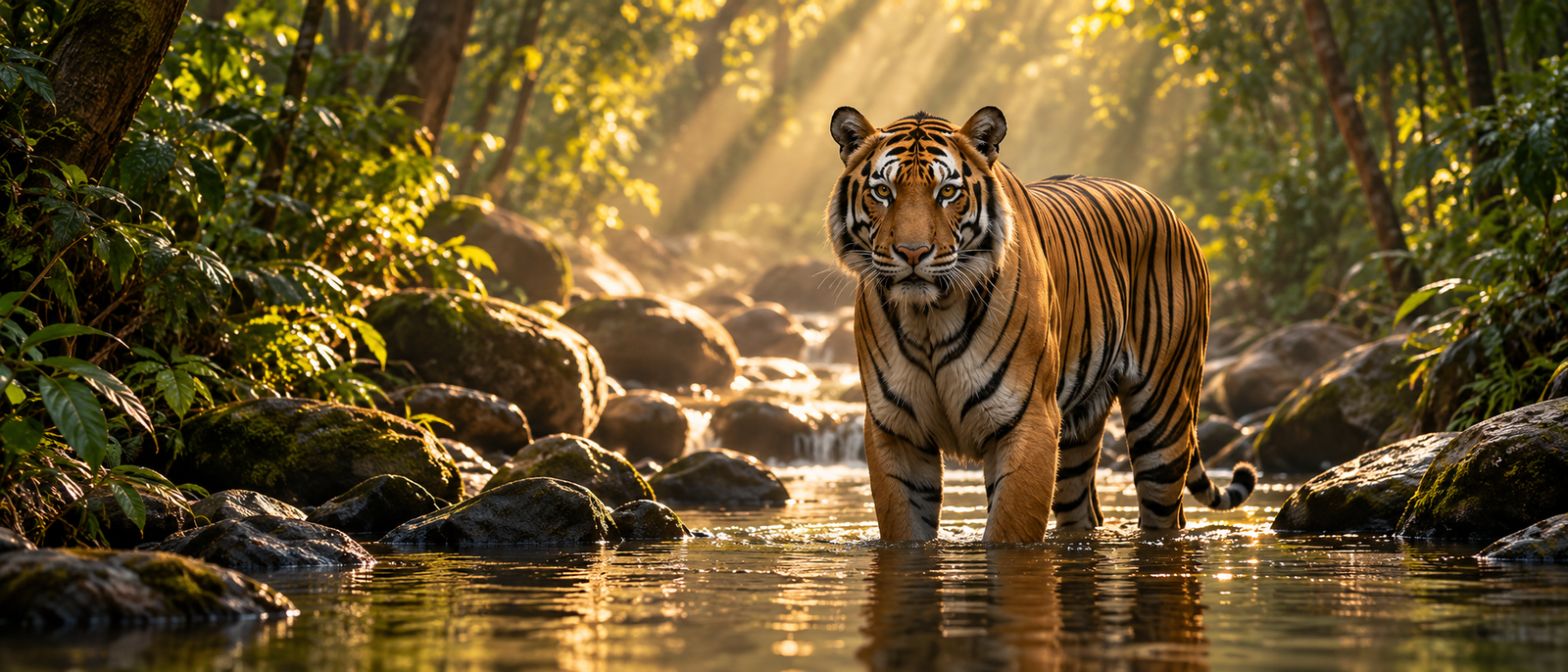
Kanha is one of India’s major tiger reserves and an important destination for travellers building a Central India tiger safari.

Hard-Ground Barasingha

Kanha is particularly significant for its hard-ground barasingha, whose conservation has become closely associated with the reserve.

Sal Forests &
Open Meadows

The contrast between dense forest and expansive grasslands creates one of India’s most visually dramatic safari landscapes.

Leopards & Other
Predators

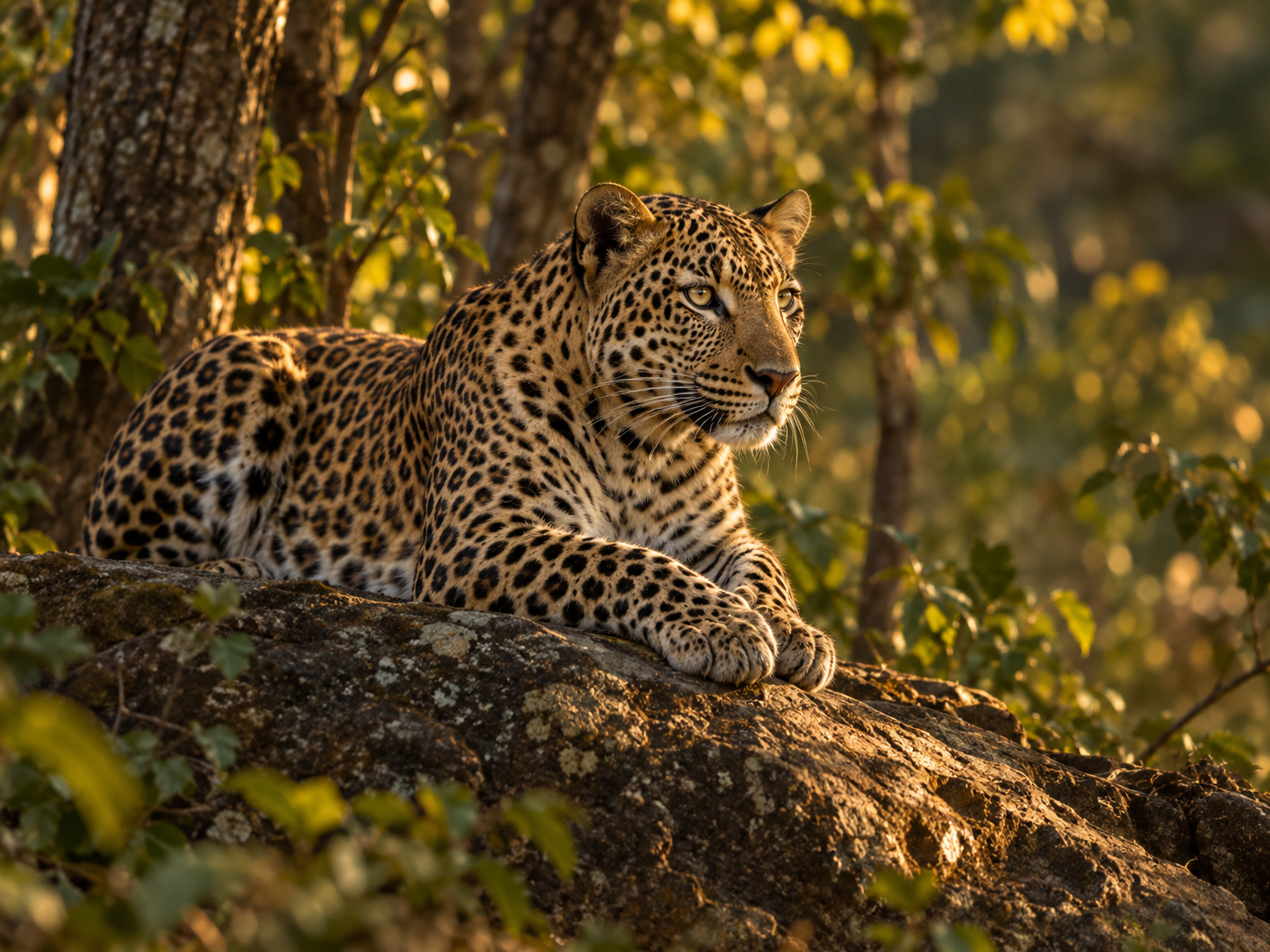
Leopards, wild dogs and other carnivores add another layer to the safari experience — although wildlife sightings can never be guaranteed.

Birdlife

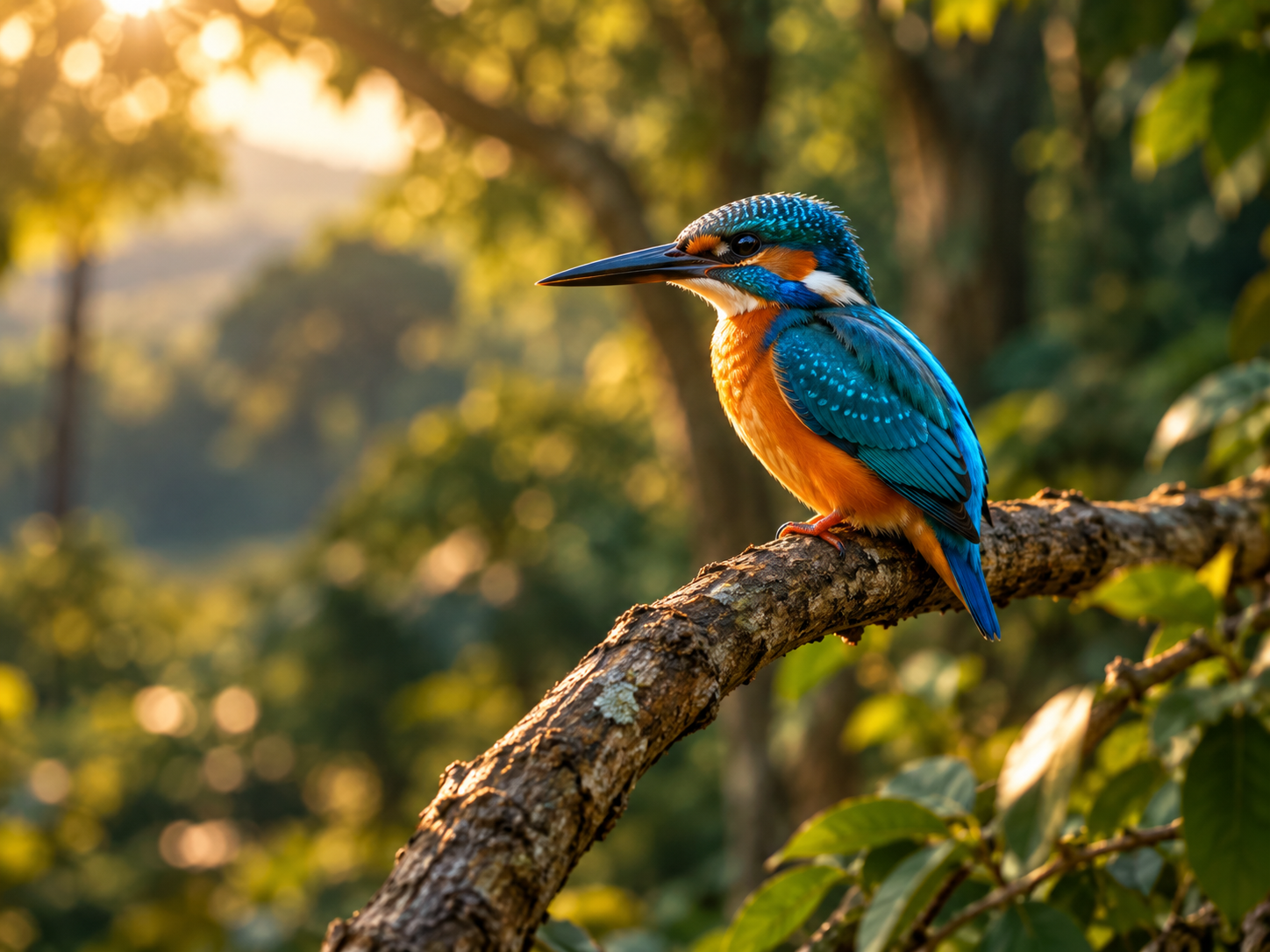
Kanha’s forests and wetlands support an impressive variety of resident and migratory birds, making it rewarding for serious birders as well as photographers.

Rich Biodiversity

From gaur and wild boar to langurs, sloth bears and a variety of smaller mammals, Kanha’s ecosystem is exceptionally diverse and healthy.

WHERE TO STAY

The Lodge Changes the Safari

A luxury wildlife journey should not feel like a long drive to the national park.
The best lodges make the forest part of the experience.

Banjaar Tola, A Taj Safari

Set beside the Banjaar River near Mukki, Banjaar Tola uses luxury tented accommodation, private verandahs, natural materials and dedicated service to create an immersive wilderness stay. The property is two camps of nine tents each and offers guided safari and nature experiences.

Best for: couples, luxury travellers, serious wildlife enthusiasts.

Singinawa Jungle Lodge

A more intimate lodge experience adjoining Kanha Tiger Reserve, with 12 luxury cottages and larger private jungle bungalows. It also places a strong emphasis on local ecology, art and conservation.

Best for: families, conservation-minded travellers, repeat India visitors and travellers who prefer a smaller lodge atmosphere.

The Imperial Choice

We don’t simply recommend the most expensive lodge.

We look at:

Gate access • Safari logistics • Room category
Privacy • Naturalist quality • Dining
Family suitability • Season • Length of stay

Because the “best lodge in Kanha” depends entirely on the journey you are trying to create.

A CURATED KANHA SAFARI

How Many Days Do You Need?

For a first visit, 3 nights / 4 days is a strong starting point. It allows enough time for multiple safari drives without forcing the journey into a race between sightings.

Day 1 — Arrive Into The Wilderness

Arrive at your Kanha lodge and allow the afternoon to slow down. Rather than immediately chasing a safari, settle into the landscape — walk around the property, meet your naturalist and understand the forest you are about to enter.

Day 2 — Your First Kanha Safari

An early morning departure into the reserve. The first safari is about learning the terrain: meadows, forest tracks, water sources and the sounds that tell experienced naturalists something is nearby. Return for breakfast and an unhurried afternoon before the second safari.

Day 3 — Go Deeper

A second full day changes the experience. Different zone. Different light. Different route. This is when patience starts to pay off — and when Kanha begins to feel less like a tourist attraction and more like a living ecosystem.

Day 4 — The Final Morning

One final safari before breakfast. Then return to the lodge, take your time and depart for the next chapter of your India journey.

For serious wildlife travellers, photographers and repeat India visitors, we recommend extending the stay rather than simply adding extra safaris.

BEST TIME FOR A KANHA TIGER SAFARI

When Should You Visit Kanha?

Kanha’s published tourism season runs from 15 October to 30 June.
But “best time” depends on what you want from the journey.

October–March

Winter brings cooler temperatures and beautiful early-morning conditions. Migratory birds also add another dimension to the experience.

Best for: comfortable weather, lush landscapes, birds and overall forest experience.

March–May

As the forest becomes drier and water sources become increasingly important, visibility can improve. This is also when the heat becomes considerably more intense.

Best for: travellers prioritising wildlife photography and tiger sightings.

June

The reserve closes for the monsoon period after the tourism season.

Best for: experienced wildlife travellers looking for the final part of the safari season.

Imperial recommendation: if your priority is a comfortable luxury safari with excellent overall wildlife viewing, we would look at November–March. If the tiger is the primary objective and you are comfortable with Central India’s warmer heat, April–May becomes particularly interesting.

Frequently Asked Questions

Kanha combines significant tiger habitat with the barasingha conservation story, sal forest and wide grasslands — creating a particularly complete Central India wilderness experience.
Kanha is central to the recovery of the hard-ground barasingha. Its protected grasslands and long-term conservation work brought this endangered deer back from the edge of extinction.
The right gate and lodge depend on the season, your route and the safari experience you want. Your travel designer will recommend the most suitable combination for your journey.
November to March offers comfortable weather and an excellent overall forest experience. April and May can be especially rewarding for wildlife-focused travellers who are comfortable with warmer conditions.

Not sure which safari is right for you?

Share your travel style, preferences and dreams, and we’ll design a wildlife experience made entirely for you.